01
Letter Confidence
Recognizing letter shapes, names, and familiar patterns.
Foundations First Letter Recognition Sound Awareness Word Building Writing Readiness Storytelling Family Reading Rhythm Learning Toolkit Parent Guidance Questions Answered GrowWise Support
Early language begins with meaningful moments
Help children build a warm, confident relationship with letters, sounds, words, stories, and self-expression through tactile learning experiences designed for everyday family life.
Recognizing letter shapes, names, and familiar patterns.
Hearing rhymes, syllables, and beginning sounds in words.
Connecting spoken language, pictures, letters, and meaning.
Describing ideas, retelling events, and creating original stories.
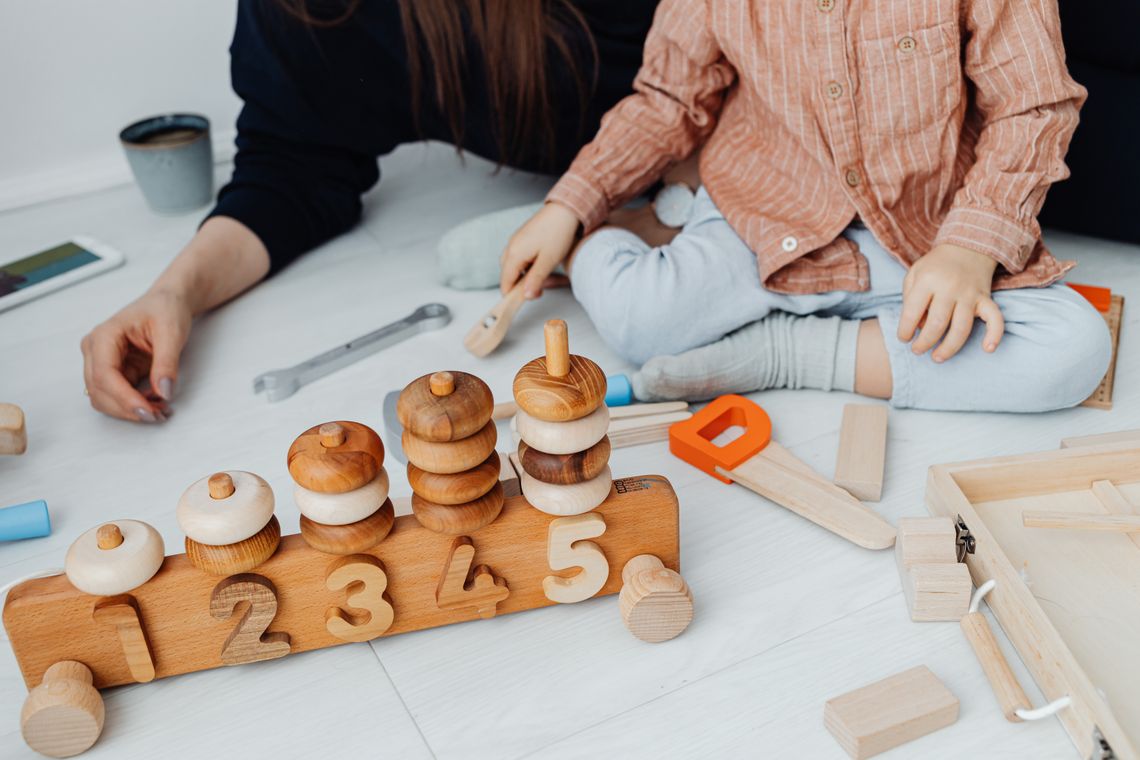
A calm beginning to language learning
Early literacy is not a race toward reading faster. It is the gradual development of attention, language, memory, sound awareness, and confidence.
GrowWise encourages families to begin with playful familiarity. Children can touch and arrange letters, match symbols to pictures, repeat sounds, notice patterns in names, describe illustrations, and hear favorite words again and again. These small experiences help language feel understandable before it feels academic.
From shapes to meaningful symbols
Letter recognition grows when children repeatedly see, touch, sort, compare, name, and use letters in different contexts rather than memorizing one fixed chart.
Alphabet learning toys can make letters physically present. Children can rotate them, match uppercase and lowercase forms, group similar shapes, build their names, identify missing letters, and connect each symbol with a familiar sound or object.
Comparing straight lines, curves, openings, and direction helps children distinguish letters that initially appear similar.
Matching a letter to a picture, name, sound, or familiar word gives the symbol a reason to be remembered.
Listening before decoding
Children begin to understand written language more easily when they can hear how spoken words are built from rhythms, syllables, rhymes, and individual sounds.
Rhyming games help children notice that words can sound alike even when they refer to completely different objects or ideas.
Listening patternsClapping names and familiar words into parts helps children hear that a longer word can be divided into smaller spoken units.
Word structureSorting pictures by their first sound creates a bridge between what a child hears and the letter they may later use to represent it.
Sound-to-symbol linkMoving from single letters to meaning
Once letters and sounds feel familiar, children can begin arranging them into names, labels, simple patterns, and short words without pressure to read perfectly.
A child’s own name offers strong emotional meaning and a familiar sequence of letters to recognize, arrange, trace, and rebuild.
Pairing simple labels with toys, foods, family objects, or room items helps written words connect with visible meaning.
Replacing one beginning or ending letter demonstrates that a small visual change can create a new spoken word and meaning.
Early invented spelling and approximate sound matching show active thinking and should be welcomed as part of the learning process.
The movements behind early writing
Writing begins before a child holds a pencil correctly. Hand strength, finger isolation, visual tracking, controlled movement, direction, and spatial awareness all support the later ability to form letters comfortably.
Finger tracing, air writing, floor letters, and large drawing movements can feel more manageable before small pencil work.
Uneven lines and reversed letters can be part of development. Consistent encouragement helps children continue practicing.
Language grows through imagination
Telling stories helps children organize events, choose words, describe feelings, understand sequence, imagine possibilities, and communicate with greater detail.
Ask what a child notices, what may have happened before, how a character might feel, and what could happen next.
Recalling a beginning, middle, and ending helps children organize information and notice how one event leads to another.
Changing a character, setting, problem, or ending encourages flexible thinking and demonstrates that stories can be shaped by ideas.
Small routines with lasting value
A calm and repeatable reading rhythm can matter more than a long, complicated lesson.
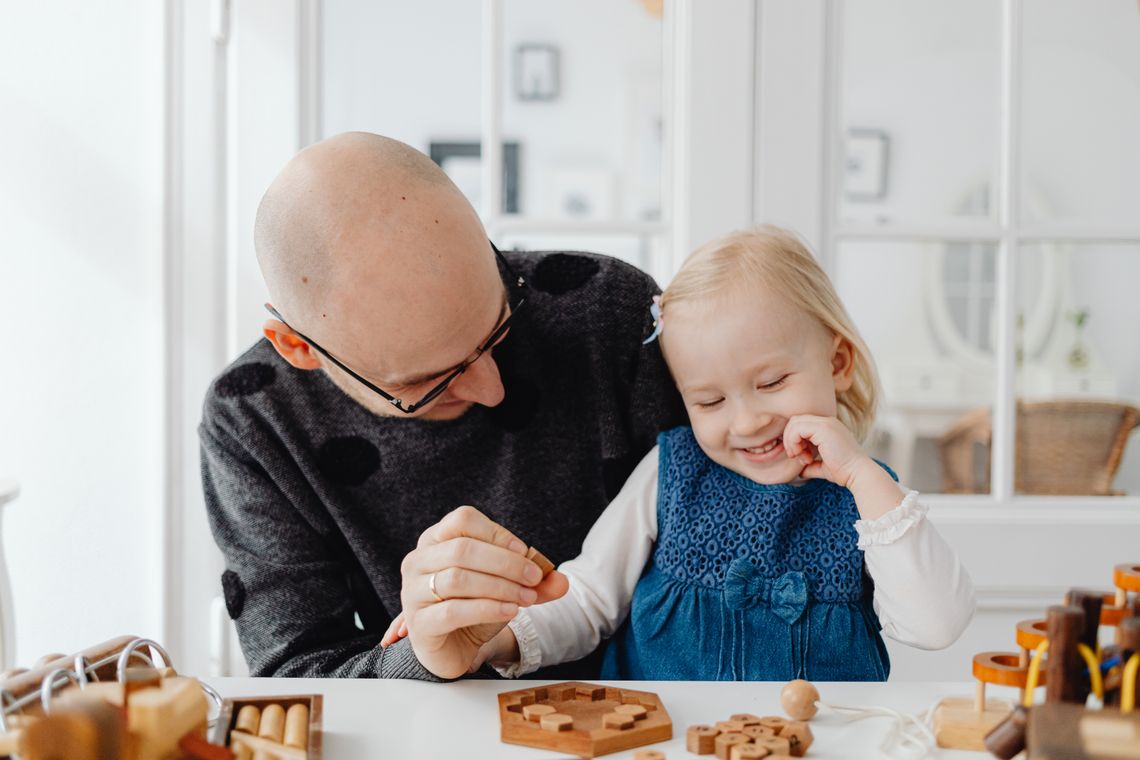
Families can build early literacy into familiar parts of the day: noticing a letter during breakfast, reading a short book after lunch, matching words during quiet time, or sharing a story before bed. Regular exposure helps language feel like part of family life rather than a separate task.
Choose one letter from a name, sign, package, or alphabet toy and notice its shape and sound together.
Arrange letters, match pictures, sort sounds, or build one familiar word through a short hands-on activity.
Introduce one interesting word, explain its meaning, and invite each family member to use it in a sentence.
Read together, pause for predictions, discuss a favorite moment, and allow the child to retell part of the story.
Purposeful tools for different literacy moments
A balanced early literacy environment can combine alphabet play, conversation, puzzles, creative materials, stories, and fine motor activities rather than relying on one product or one type of practice.
Use tactile letters for matching, sorting, sequencing, name building, uppercase and lowercase pairing, and beginning-sound activities.
Encourage children to describe experiences, explain preferences, recall details, ask questions, and develop richer spoken language.
Puzzles support visual attention, part-to-whole thinking, patient observation, and the ability to describe what is happening in an image.
Drawing, labeling, decorating, and explaining a finished project help children connect visual creation with spoken and written ideas.
Fastening, turning, sliding, pressing, and manipulating small components can strengthen the hand control used in future writing tasks.
Naming feelings and discussing situations expands vocabulary while helping children communicate internal experiences more clearly.
Encouragement without pressure
Adults do not need to turn every activity into a formal lesson. A few thoughtful responses can keep children engaged while preserving ownership, curiosity, and confidence.
Instead of focusing only on correctness, describe what the child tried: “You looked carefully at both letters before choosing.”
Questions such as “What do you notice?” or “What could happen next?” invite fuller language than questions with one expected answer.
Demonstrate one sound, movement, or matching strategy, then return the activity so the child can continue independently.
Repetition is not a lack of progress. Familiar tasks allow children to practice more independently and notice details they previously missed.
A short activity that ends with interest can create a stronger desire to return than a longer activity that ends in frustration.
Helpful guidance for families
Every answer remains closed until selected, keeping the page calm and easy to browse while allowing families to open only the guidance they need.
Early literacy includes listening, speaking, vocabulary, rhyme awareness, sound recognition, letter familiarity, storytelling, book handling, picture interpretation, memory, and the fine motor skills that support later writing.
Many families begin with the letters in the child’s name because those letters already carry personal meaning. Other useful starting points include letters connected to favorite people, animals, foods, and objects.
Children can benefit from seeing both forms. Uppercase letters may be visually simpler in some activities, while lowercase letters appear more frequently in books. Matching the two forms can help children understand that they represent the same letter.
A short, focused activity of approximately five to fifteen minutes may be enough for many young children. Interest, energy, and engagement are more useful guides than completing a fixed amount of work.
Letter reversals can appear during early development as children learn direction, orientation, and visual distinctions. Calm comparison, tactile tracing, and repeated exposure can support growing accuracy without shame.
Families can pair a tactile letter with its common sound, sort pictures by beginning sound, build simple words, or replace one letter to create a new word. The physical letter helps make the sound-to-symbol connection visible.
Yes. Storytelling develops vocabulary, sequence, memory, descriptive language, imagination, emotional understanding, and confidence in communicating ideas before independent reading begins.
Use names, favorite objects, movement, songs, pretend play, picture discussions, letter hunts, short games, and shared stories. When language appears within meaningful play, children can practice without feeling that every moment is a test.
Family conversation cards can support spoken language, emotion flash cards can expand feeling vocabulary, jigsaw puzzles can strengthen visual attention, arts and crafts kits can encourage drawing and labeling, and busy boards can develop fine motor readiness.